September 25, 2026
Understanding how physical shade structures endure demanding weather conditions offers broader principles for ongoing operational vitality. From fabric selection to frame engineering, every single design decision directly impacts long-term wear, frame stability, and product usability. Examining these specialized industrial methodologies helps clarify how rigorous maintenance, modular construction, and proactive care extend overall functional utility. As canopy companies seek new ways to minimize resource waste while delivering longer-lasting value, the protective shade sector provides clear paradigms for engineering products that remain resilient over extended timeframes.
Understand Canopy Company Operations
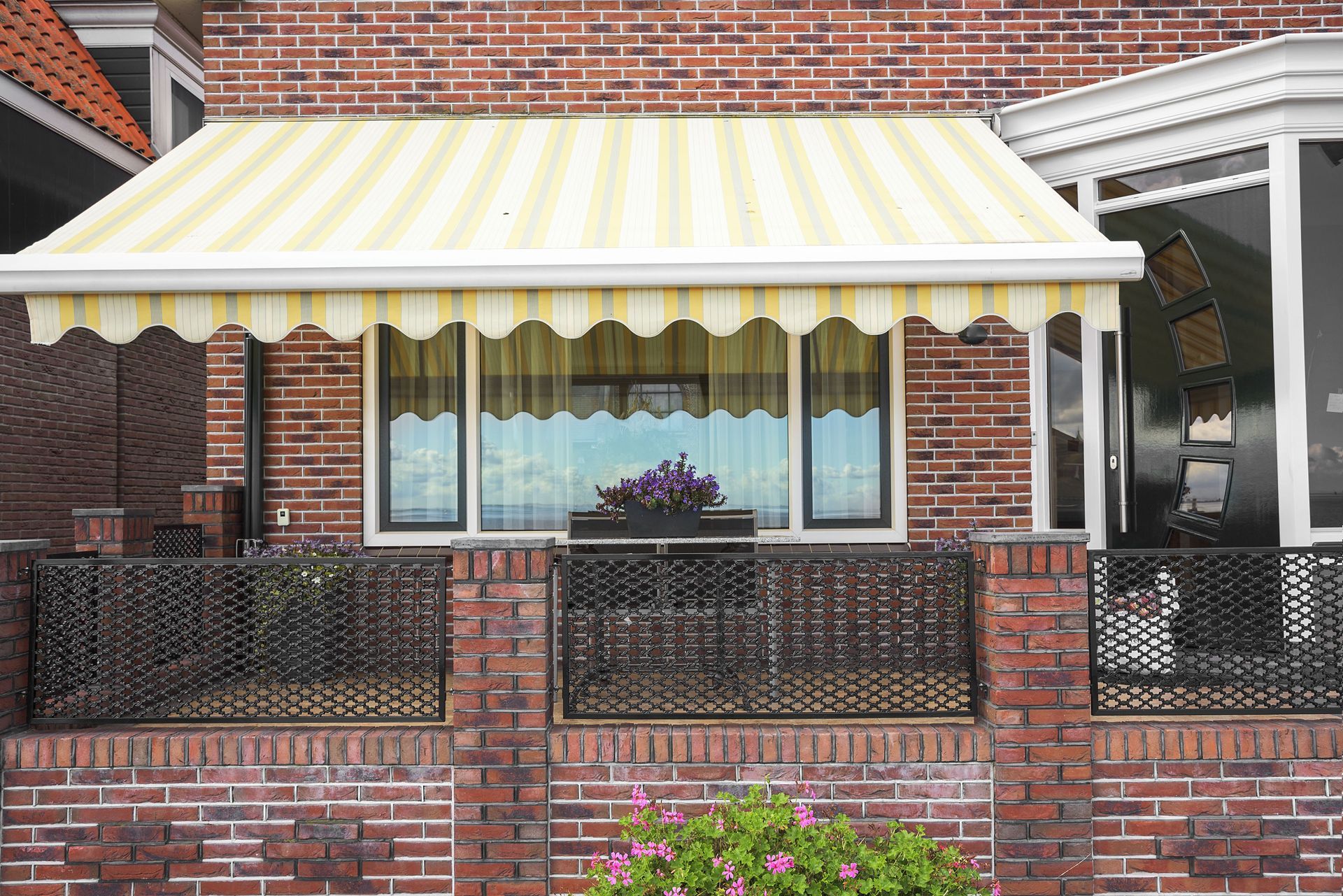
Modern canopy companies focus on engineering high-utility shade systems that balance physical protection with exceptional structural longevity. Originating from historical tenting concepts, these organizations have continuously modernized their manufacturing practices to meet rigorous commercial standards and client demands. Their operational philosophy centers on constructing durable frames and weather-resistant covers capable of handling daily exposure to challenging conditions. By prioritizing high-grade aluminum alloys, reinforced steel hardware, and specialized textiles, these producers establish clear benchmarks for physical durability that inspire other manufacturing sectors.
The product portfolios of these organizations encompass retractable models, stationary structures, and customized commercial covers tailored for various environments. Each offering reflects an emphasis on structural integrity, ensuring that installations resist physical wear over extended usage cycles. Strategic market positioning relies on delivering consistent performance under varying environmental pressures. By combining robust production standards with versatile design options, shade manufacturers maintain strong brand equity and demonstrate how commitment to quality fosters long-term business viability and consumer trust.
Beyond base manufacturing, operational efficiency relies on streamlined custom fabrication workflows that accommodate bespoke client specifications. Engineering teams utilize advanced CAD modeling and stress-testing simulations to evaluate frame performance prior to physical assembly. This digital-first strategy minimizes material waste, shortens lead times, and ensures each custom shading system seamlessly integrates into its designated architectural environment.
Examine Environmental Stressors and Lifespans
Environmental conditions remain the primary determinant of physical wear for exterior protective shade structures. Direct sun exposure, persistent precipitation, and heavy atmospheric pressure subject synthetic fabrics and mechanical joints to continuous structural fatigue. According to HomeGuide, standard shading systems can endure wind speeds between 20 and 25 mph, yet owners must retract the unit whenever gusts surpass 25 miles per hour to prevent permanent damage. Managing these powerful environmental forces requires engineering flexible joints, adaptive tension systems, and protective surface coatings that preserve material strength.
To combat localized environmental degradation, manufacturers deploy protective maintenance protocols alongside resilient physical architecture. Routine inspection schedules, protective hydrophobic fabric treatments, and rapid repair strategies keep installations fully functional across changing seasons. Comparing natural protective canopies with engineered structures reveals that modular design allows human-made systems to absorb physical stress effectively.
Microclimatic variations, such as rapid temperature swings and salt exposure in coastal regions, demand specialized material treatments. Thermal expansion can warp structural joints over time if unaddressed, while saltwater air accelerates hardware corrosion without protective anodization. Integrating high-performance corrosion barriers and thermal-grade hardware shields these installations against aggressive localized weathering, significantly extending baseline operational lifespans.
Compare Product Durability to Human Longevity
Theoretical perspectives on product lifespans share meaningful parallels with concepts of physical health and longevity. Just as organic systems require balanced care, structural protection units depend on proper installation, stress management, and ongoing protective maintenance. Leading canopy companies emphasize that physical endurance stems from harmonious engineering where material flexibility balances rigid structural support.
Consumer interaction significantly influences the total operational lifespan of installed shade systems over time. Clear user guidance regarding safe operation during severe weather conditions prevents unnecessary stress on mechanical hardware and fabric membranes. Conducting full lifecycle assessments enables manufacturers to identify structural vulnerabilities and continuously refine engineering techniques. Through targeted consumer education and robust material innovation, companies ensure that products deliver optimal performance throughout their planned service timeline and intended lifecycle.
Much like human health requires regular diagnostic checkups, canopy systems thrive under routine structural audits. Identifying minor hardware fatigue, fabric tension loss, or early surface abrasion before critical failure mirrors preventative healthcare principles. This proactive care model shifts maintenance from reactive emergency repairs to predictable stewardship, preserving structural vitality across decades of service.
Implement Sustainable Materials and Designs
Integrating sustainable materials sits at the core of modern manufacturing strategies within forward-thinking canopy companies. Reclaimed metals, recyclable synthetic textiles, and eco-conscious weatherproofing treatments minimize environmental footprints while enhancing physical durability. These specialized material choices reduce raw material extraction demands while producing structures capable of enduring heavy operational use. Emphasizing material circularity establishes a progressive model for sustainable product engineering across diverse manufacturing industries and consumer markets.
Innovative design practices further bolster product service life through modular component architecture. Replacing individual worn fabric panels or mechanical joints eliminates the wasteful need to replace entire shade assemblies, drastically curbing landfill waste. Energy-efficient production methods and ethical supply chain management reinforce this commitment to ecological responsibility.
Establishing take-back and end-of-life recycling initiatives completes the sustainable product cycle. By recovering aging frame components and retired textile membranes, manufacturers reintroduce valuable aluminum and synthetic fibers back into primary production streams. These closed-loop systems drastically reduce raw resource extraction, aligning structural manufacturing with zero-waste goals and circular economy standards.
Strengthen Organizational Resilience and Culture
Building organizational resilience requires visionary leadership and adaptable corporate strategies within leading canopy companies. Executive leaders must navigate fluctuating market demands and complex material supply chains while upholding rigorous product quality standards. Fostering a supportive workplace culture empowers engineering teams to innovate continuous improvements in product design and structural resilience. Flexible corporate frameworks allow these businesses to adapt smoothly to shifting consumer expectations, evolving market trends, and changing economic conditions.
Employee retention and team engagement directly contribute to manufacturing precision and operational consistency. Retaining skilled craftspeople ensures that specialized technical knowledge surrounding frame assembly and fabric treatment remains within the enterprise. Blending time-tested manufacturing craftsmanship with modern automated technology enables long-standing firms to maintain high production standards.
Ongoing investment in employee training programs ensures that institutional knowledge keeps pace with evolving technologies. Cross-functional workshops encourage collaboration between design engineers and assembly specialists, refining production workflows from the ground up. This culture of shared expertise cultivates an agile workforce capable of navigating supply disruptions and operational hurdles without compromising build quality.
Apply Structural Lessons to Other Sectors
The protective engineering methods refined by canopy companies offer valuable applications across healthcare, urban design, and public infrastructure. Healthcare facility designers can adapt modular shade architecture to build resilient outdoor patient spaces that offer climate protection and enhanced comfort. Similarly, urban planning initiatives benefit from integrating durable, climate-adaptive coverings into transit hubs, parks, and municipal plazas. These cross-industry applications show how physical protection principles enhance community infrastructure and overall public well-being.
Environmental policy and modern supply chain management also gain valuable models from shade structure lifecycles. Emphasizing lifecycle assessments encourages policymakers and logistics managers to prioritize repairable, durable assets over disposable goods. Collaborative efforts between industrial shade producers and external research institutions continue to spur material innovations that benefit broader manufacturing ecosystems.
Modern IoT integration and embedded sensor networks further expand the utility of structural canopy design across smart infrastructure. Real-time monitoring of wind load, fabric tension, and material stress provides actionable data for urban planners and facility managers alike. Incorporating these smart diagnostic tools allows surrounding civil systems to automatically adapt to incoming weather conditions, improving overall community safety and asset resilience.
Investing in durable, professionally engineered shade solutions ensures long-term comfort, reliable protection, and lasting value for residential and commercial properties alike. The quality craftsmanship canopy companies provide, combined with proactive maintenance, creates outdoor spaces that withstand environmental pressures year after year. Join us today to explore how Carolina Awning can elevate your outdoor space with premium, long-lasting shade solutions.